


Djibouti is fighting aid cuts with a tax on carbon dioxide emissions
A new levy is being used to fund climate adaptation efforts in the tiny East African county – and could be a model for countries across the continent. Nick Ferris reports
After the mid-2025 rainy season underwhelmed in the Tadjourah region of Djibouti – the small, Francophone nation wedged between Ethiopia and Somalia - authorities faced a crisis as thousands of nomads began to journey from the arid interior to the coastline in search of water. To make matters worse, crippling overseas aid cuts from Donald Trump in the US meant that emergency pools of funding were no longer easily available.
What authorities in Tadjourah then did is something that would not have been possible just a couple of years prior, and which potentially holds huge significance for cash-strapped African governments reeling from aid cuts. They sent an emergency request to Djibouti’s Sovereign Carbon Agency (SCA) – a national body established in 2023 to manage money raised by the country’s pioneering levy on emissions - to ask for support.
The SCA responded immediately by sending water trucks and solar-powered desalination units, staving off the crisis and preventing large-scale displacement in the country. It is just one of around 80 projects that have now been supported with funds raised from the carbon levy, which is making big polluters pay for the country’s climate response.
“We will never replace the UN, and we will never replace aid, but we can react quickly to events, we have a lot of local knowledge, and we can really make a difference in crises,” explains Bruno Pardigon, a French businessman who helped set up the carbon levy, and who now acts as the director of SCA. Other projects funded by the levy include plastic collection schemes, programmes around recycling, mangrove forest restoration, and the purchase of a new electric vehicle fleet.
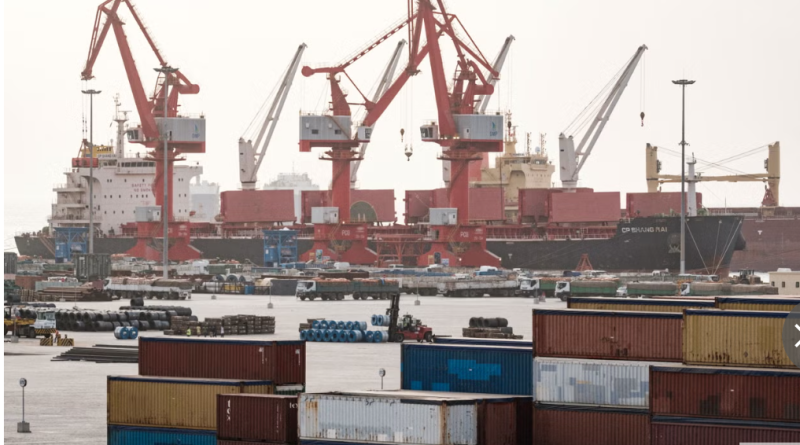
The focus of the levy is Djibouti’s port, Sebastien explains, which is one of the largest in Africa, with its 2,500 visiting ships annually servicing around 95 per cent of neighbouring Ethiopia’s trade. Visiting ships are charged $17 (£12.60) per tonne of carbon dioxide emitted, with the levy covering 50 per cent of emissions per voyage. Both the carbon emitted and the money collected is independently monitored and audited to ensure that it corresponds to the number of visiting ships, and the system complies with international standards.
In response to concerns raised about the prospect of countries unilaterally establishing a carbon levy on shipping, an IMO spokesperson said: “IMO provides a harmonised global regulatory framework to support a global shipping industry.
Cover photo: The port of Djibouti, which is one of the largest in Africa, with its 2,500 visiting ships annually servicing around 95 per cent of neighbouring Ethiopia’s trade (AFP/Getty)