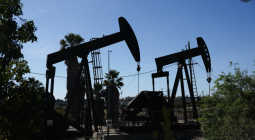


Fossil Fuel Investors Increasingly Suing Governments That Act on Climate

Investor-state dispute settlements—a mechanism that lets foreign investors sue governments for policies that threaten their revenue—are holding up the energy transition, explains a new backgrounder from Europe-based climate think tank E3G.
Fossil fuel investors are increasingly using the investor-state dispute settlement (ISDS) system to seek compensation when governments enact policies like coal phaseouts and oil and gas extraction bans, E3G writes. At least 249 known fossil fuel-related ISDS cases had been filed as of late 2024, and there may be more that aren’t public.
The legal mechanism was designed with a narrower purpose: to protect investors’ holdings from unlawful seizures by foreign governments, originally serving Western multinational companies invested in the Global South. But ISDS provisions are now also being used to sue countries when new environmental protections or regulations threaten the profitability of existing ventures—like when laws to limit fossil fuels threaten the value of existing or proposed oil and gas projects.
According to E3G, ISDSs create legal and financial risks for governments aiming to act on climate. They slow down the energy transition, force taxpayers to foot the bill for fossil fuel investors’ risks, create a “regulatory chill” as governments hesitate to impose new regulations, and reduce fiscal space available for responding to climate change.
Canada is already facing ISDS cases tied to fossil fuel projects. United States-based investment firm Ruby River Capital is suing the federal government after the Énergie Saguenay liquefied natural gas facility and pipeline project in Quebec was cancelled following federal and provincial environmental assessments. The Canadian Centre for Policy Alternatives has said the Ruby River case “exemplifies the troubling excesses of ISDS, particularly in an era of urgently needed climate action.”
And in December 2024, Australian billionaire Gina Rinehart’s companies filed a $2-billion ISDS claim against Canada after regulators blocked the Grassy Mountain metallurgical coal project in Alberta. Queen’s University professor Kyla Tienhaara told The Tyee Canadians should be seriously concerned that the mechanism gives foreign companies a powerful tool to bully governments.
Some governments are pushing back. Last year, the European Union voted to withdraw from the Energy Charter Treaty that had, among other things, been used by fossil fuel companies to facilitate ISDS claims. And earlier this month, President Gustavo Petro announced that Colombia would withdraw from the ISDS system “because the courts end up resolving disputes in favour of private entities,” reports Climate Home News. Petro’s announcement followed an open letter from 220 economists and legal scholars that called on him to leave the system.
Global reform is needed, writes E3G. The backgrounder recommends that policymakers review existing treaties with an eye to reforming or removing ISDS, exclude it from new treaties, and use international conferences to build support for overhauling the system.
Cover photo: Padraic Ryan/Wikipedia