


First 3D-printed component for RITM-200 nuclear energy reactor
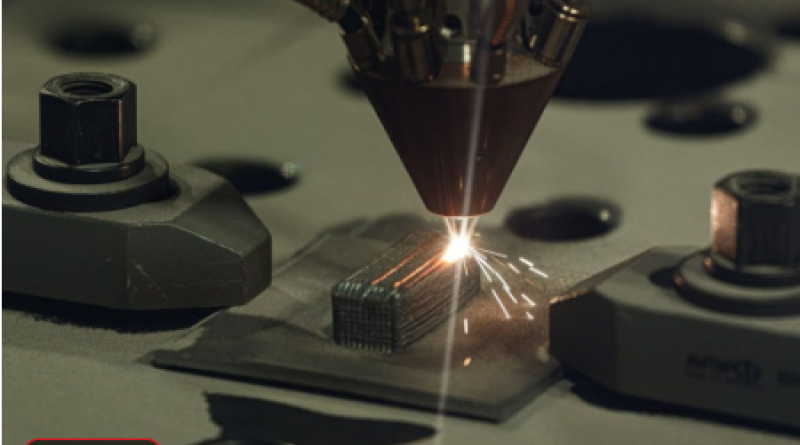
The RITM-200 reactor is recognised for its high power output, compact design and enhanced safety features
Rosatom’s Experimental Design Bureau of Mechanical Engineering (OKBM Afrikantov) has received regulatory approval to manufacture components for the RITM-200 nuclear reactor plant using 3D printing technology, marking a first for the Russian nuclear industry.
The breakthrough follows the successful production and qualification of the first 3D-printed element for a reactor unit – a terminal box for nuclear power plant pumping equipment.
It is the first time additive manufacturing has been certified for use in reactor plant components in Russia’s nuclear sector.
The RITM-200 reactor unit, designed for marine and floating nuclear applications, draws on more than 60 years of experience in nuclear-powered vessels combined with modern 3D design, advanced simulation software and supercomputer-based calculations.
3D tests to build out nuclear reactor
According to Rosatom, the newly manufactured prototype underwent a full programme of laboratory and operational testing in line with methodologies approved by the parent materials science organisation.
The tests confirmed the technical feasibility of using additive manufacturing for the production of RITM-200 reactor plant elements.
The project has enabled Rosatom to develop regulatory documentation for 3D-printed nuclear components and to build industrial expertise for the production of more complex and safety-critical parts using additive technologies.
“Obtaining regulatory documentation for the first element for the RITM-200 reactor plant manufactured with the use of additive technologies makes it possible to replicate 3D printing technology in the future to create various equipment for marine nuclear power plants, as well as nuclear industry equipment of other types and purposes,” explained Yuri Vytnov, Chief Technologist at OKBM Afrikantov.
Ilya Kavelashvili, Director of the Additive Technologies business area at Rosatom’s Fuel Division, said the use of 3D printing opens new opportunities for optimised component design with improved performance characteristics.
“The use of additive technologies in the production of elements for RITM-200 demonstrates the high level of technological readiness of the Russian industry. The use of 3D printing opens up new opportunities for design and production.
“It is possible to create parts with optimised geometry and improved characteristics. This makes it possible to increase the efficiency and reliability of equipment, as well as reduce its weight and cost,” said Kavelashvili.
The pumping equipment element was printed on an Ilist-L+ industrial 3D printer developed by Rosatom in partnership with the St Petersburg State Marine Technical University.
The nulcear reactor’s capability
The RITM-200 reactor is recognised for its high power output, compact design and enhanced safety features.
Its variable draft capability is a key technical enabler for universal nuclear icebreakers and floating nuclear power applications, offering versatility, environmental performance and economic efficiency.
Rosatom’s Mechanical Engineering Division, Russia’s largest power engineering holding by output and revenue, supplies nuclear and turbine island equipment for all Russian-designed nuclear power plants and delivers integrated solutions across the power, oil and gas sectors.
The certification of 3D-printed nuclear components is also being viewed as a potential accelerator for emerging nuclear markets, including Africa, where modular reactor technologies and simplified component supply chains could support faster entry into nuclear power generation, said Rosatom.
Cover photo: Rosatom