

NBI urges shift from planning to execution on energy, water and climate
The transition is not about switching off the current system overnight. It is about building the new system fast enough while stabilising the one we have
South Africa’s water insecurity, energy unreliability and climate vulnerability are no longer isolated policy challenges, but an interconnected “triple threat” to economic stability. This is the view of the National Business Initiative (NBI) CEO Shameela Soobramoney.
Speaking ahead of the Africa’s Green Economy Summit (AGES), Soobramoney stated that the country must dismantle the perceived trade-off between environment and economy.
Energy, water and climate at the core of economic strategy
Soobramoney said environmental sustainability and economic progress are not mutually exclusive; they are interdependent. “The persistent narrative that green priorities hinder growth is an unnecessary diversion. Our immediate task is to create policy and strategic coherence which allows for the certainty needed to turn existing plans into bankable projects and attract investment.
“We need to entrench the understanding around the risks to economy and society and consider them as systemically integrated. The upcoming Africa’s Green Economy Summit (AGES) is a key moment to signal our readiness to lead, not just participate.” She explained that the NBI positions the protection of nature, climate adaptation and mitigation as central elements of the national economic strategy. Framing these risks as merely environmental issues has pushed them to the margins of planning.
“We are facing a systemic economic risk,” Soobramoney explains. “Water scarcity paralyses supply chains. Energy instability devastates productivity. Climate disasters create massive fiscal shocks.
“Together, they form a triple threat that increases costs, stifles growth and entrenches inequality, directly undermining our economic foundation and social contract,” she said.
Coordinated action on energy, water and climate is critical for growth
Soobramoney emphasised that the proposed solution is a focused, accountable partnership model. “We have enough forums for discussion; what we need now is a national delivery compact,” she said. Such a compact would concentrate on clearly defined, measurable outcomes including specific benchmarks for water security and energy reliability.
She pointed to existing examples of effective collaboration, including the business–government partnership that backed Operation Vulindlela, as proof that coordinated action can deliver tangible results.
According to Soobramoney, the model should rest on three core pillars: transparent, shared data and a common understanding of the challenges; clearly defined lines of accountability; and genuine co-implementation between the public and private sectors.
She said the NBI stresses that South Africa’s transition must be credible, pragmatic and firmly grounded in economic realities. The rapid expansion of renewable energy is essential, and at the same time the country must ensure energy reliability during the transition, including the continued role of existing generation capacity in the near term.
“The transition is not about switching off the current system overnight. It is about building the new system fast enough while stabilising the one we have.”
Energy transition that balances reliability, growth and sustainability
She added that any decisive transition pathway must be grounded in the practical realities of the current energy system. In the near term, this means responsibly managing existing generation capacity including fossil-fuel assets to safeguard economic stability, even as reforms gather pace to enable a cleaner, more competitive and affordable electricity market.
Such a shift, she argued, must be underpinned by clear business cases and a transparent understanding of costs, ensuring the move toward a future-fit power system is both economically sound and operationally credible.
To secure South Africa’s position in the future green economy, Soobramoney identifies non-negotiable actions. These include:
- finalising the creation of an independent national transmission company and competitive electricity market,
- announcing clear renewable energy generation targets and
- actively leveraging the country’s mineral and industrial base to build local manufacturing capacity for electric vehicles and components.
“We have the strategic assets. What we require is the policy certainty, targeted incentives, and execution speed to transform them into jobs and decent earning opportunities, investment and export competitiveness. Clarity from the State of the nation address SONA will directly shape the conversations and investment decisions at the Green Economy Summit,” she said.
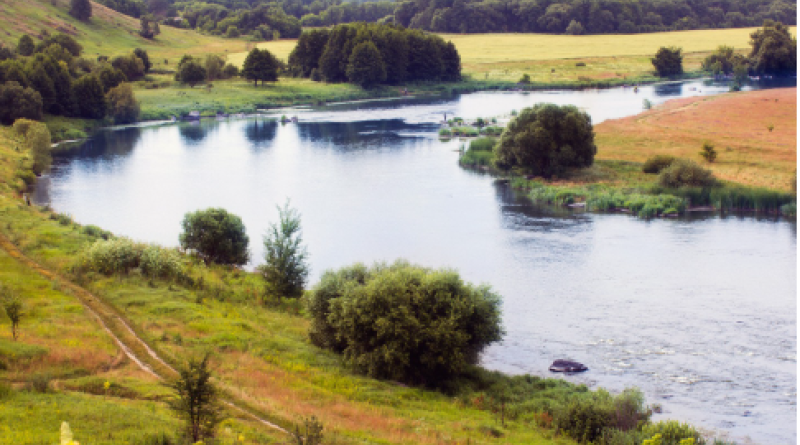
Cover photo: angelikasmile©123rf