

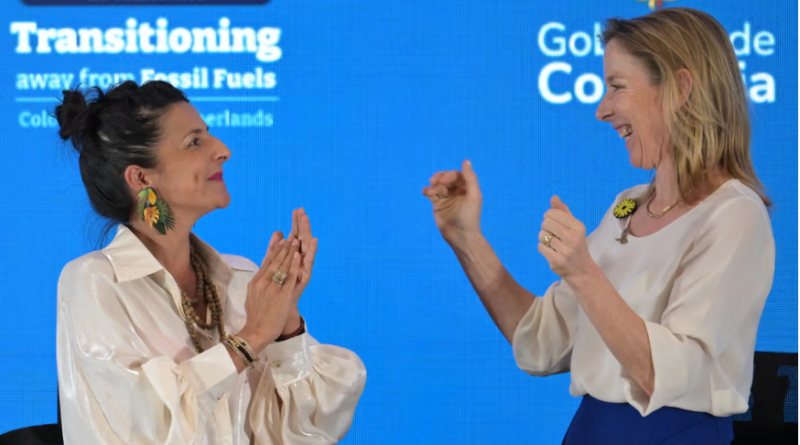
Tzeporah Berman, the founder and chair of the Fossil Fuel Non-Proliferation Treaty Initiative, said: “Santa Marta represents a historic breakthrough – the first time we bring together a group of nations willing to act. We are building a coalition of ambitious countries willing to lead and break the consensus deadlock that has paralysed concrete action on fossil fuels in the UN negotiations.”
Observers praised the constructive nature of the Santa Marta talks. Fatima Eisam-Eldeen, from the University of Barcelona, said: “For too long, multilateral climate forums have felt like rooms where everyone speaks, but no one understands. Santa Marta broke that pattern. It spoke the language of hope.”
Kirtana Chandrasekaran, a climate justice and energy programme co-coordinator at Friends of the Earth International, called for governments to replace fossil fuels with renewable energy, given added impetus by the current oil crisis.
“[Avoiding climate breakdown] requires systemic change to the current energy model – away from fossil fuelled corporate dominance and towards bottom-up, decentralised renewables that ensure energy sovereignty for all,” she said.