

Zimbabwe signs PPA for 30MW Vungu Solar IPP pilot

The PPA represents a step towards finalising the project which is expected to supply electricity to around 76,000 homes in Zimbabwe
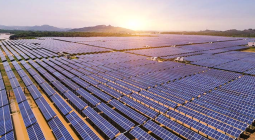
Zimbabwe has signed a power purchase agreement (PPA) for the 30MWac Vungu Solar project, marking a key milestone in the country’s Government Project Support Agreement (GPSA) solar independent power producer (IPP) pilot programme.
Africa’s energy transformation is happening fast! In just 12 months, the continent imported 15GW of solar panels, a 60% increase from the previous year
The project is set to become one of Zimbabwe’s first internationally project-financed solar IPPs selling electricity to the Zimbabwe Electricity Transmission and Distribution Company (ZETDC).
It is being developed by the Private Infrastructure Development Group (PIDG) through its InfraCo project development arm, alongside project founder Energywise Equipment (Pvt) and Impala Power Company.
PPA marks important step in Zimbabwe energy access drive
Speaking at the signing ceremony, Pete Vowles, British Ambassador to Zimbabwe, said the agreement represented an important step towards finalising the Vungu Solar project, which is expected to supply enough electricity to power around 76,000 households.
“By agreeing a pricing structure, this project is also helping to set a template for more investors to enter Zimbabwe’s renewable energy market, creating jobs and building a greener future for all,” said Vowles.
ZETDC Acting Managing Director Engineer Raphael Katsande said the utility welcomed the PPA as a significant contribution to meeting the electricity needs of Zimbabwean consumers and industries. He said ZETDC looked forward to the project’s implementation as soon as possible.
PPA part of bigger plan to attract investment
Benson Munyaradzi, Chief Director at the Ministry of Energy and Power Development (MOEPD), said the government selected Vungu as its preferred bidder through a pilot initiative aimed at negotiating standardised, bankable documentation for solar projects.
He said the approach, including the PPA signed this week, was designed to attract development and private sector investment, accelerate the country’s energy transition and support Zimbabwe’s electrification targets.
Speaking on behalf of Vungu Solar, Culven Chipfumbu, Chief Executive of Energywise Equipment, said the signing of the PPA marked a key milestone for the project. He acknowledged the commitment of ZETDC, the Zimbabwe Energy Regulatory Authority (ZERA), PIDG and Impala Power Company, and said efforts were now focused on securing financing so construction could begin as soon as possible.
Michiel Oosterhaven, PIDG’s Regional Business Development Lead for InfraCo, said the signing marked the culmination of extensive collaboration among all parties and demonstrated a pioneering approach to delivering clean energy for Zimbabwe’s homes and businesses.
He said the use of standardised, bankable documentation would help unlock investment into the country’s renewable energy sector at scale.
PPA falls within broader legal framework
Negotiation of the project documentation was supported by the African Legal Support Facility (ALSF) and led by a cross-government group coordinated by the Ministry of Energy and Power Development.
The PPA forms part of the wider GPSA framework, a policy tool designed to de-risk IPP investments through guarantees, cost-reflective tariffs and currency convertibility provisions.
The signing of the GPSA was announced at last year’s African Energy Forum in Cape Town.
Olivier Pognon, chief executive officer and director of the ALSF, said the PPA represented a critical milestone in Zimbabwe’s efforts to attract external capital into its power sector.
He said the solar procurement pilot was intended to create a predictable, bankable framework that enhances investor confidence while remaining fiscally sustainable for the government.
Electricity access in Zimbabwe
Zimbabwe’s electrification rate stands at around 62%, with most grid-connected customers concentrated in urban areas.
Electricity demand continues to exceed domestic supply, with shortfalls met through imports and frequent loadshedding.
Despite recent gains in solar capacity, the country’s installed generation mix remains largely reliant on hydro and coal, with drought conditions affecting hydropower output in recent years.
Once operational, the Vungu Solar project is expected to supply enough electricity to power approximately 76,000 households and support Zimbabwe’s broader energy transition objectives.
Cover photo: wosunan©123rf