

Power sector surges past fuel supply in global jobs race

Energy employment is expected to remain a major source of job growth and an important foundation for public support of energy policies
The electricity sector is now the largest energy employer, surpassing fuel supply for the first time. This is according to the latest World Energy Employment 2025 report by the International Energy Agency (IEA).
The report indicates that over the last five years, employment in the electricity sector, which includes generation, transmission, distribution and storage, has increased by 3.9 million, accounting for roughly three-quarters of all energy job gains.
“Solar PV has been the principal driver of demand, accounting for half of the job additions in the electricity sector since 2019. Nuclear power, grids and storage accounted for another quarter of new power sector jobs seen since 2019, despite facing multiple headwinds such as increased component costs and shortages of skilled workers.”
Shift to electrification is also changing the nature of employment in related sectors
The report states that persistent challenges in the offshore power market have also slowed wind employment growth, with layoffs in turbine manufacturing, where jobs declined by 6% in 2024.
It shows that the shift to electrification is also changing the nature of employment in related sectors.
“Vehicle manufacturing employment continued to rise, driven by strong gains in jobs related to electric vehicles (EV), which rose by nearly 800,000 last year.”
The report states that countries’ ability to maintain energy security, extend grids, scale the clean energy industry, renovate nuclear reactors and attract investment is becoming increasingly dependent on the availability of suitable manpower.
“Today, shortages are already having tangible impacts: around 60% of companies reported labour shortages, putting timelines, system reliability, and cost control at risk.”
The IEA warns that graduates with energy-relevant training are not keeping pace with rising needs for skilled workers. “Economy-wide demand for applied technical workers grew 16% between 2015 and 2022, yet graduations from relevant vocational programmes increased by only 9%.
“This broader shortage is now directly affecting the energy sector, making it harder for firms to hire and retain the skilled workers they need.”
The report indicates that energy employment is expected to remain a major source of job growth and an important foundation for public support of energy policies.
“As energy security moves higher on national agendas, a well-trained workforce is becoming essential for attracting supply chains, deploying new assets, and ensuring reliable operations.
“Co-ordinated action by governments, industry, and labour representatives can help prevent skilled-labour shortages from becoming a defining bottleneck and instead enable the energy sector to deliver high-quality, well-paid jobs, strengthen competitiveness, and support countries in meeting their security and sustainability goals affordably.”
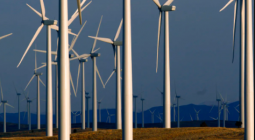
Cover photo: sofiiashunkina©123rf.com