

Factoring in the end-of-life for solar and storage
Recycling is costly compared to landfill disposal, though environmental regulations are shifting the balance
Effective end-of-life (EoL) management for solar panels and battery storage requires advanced recycling and upcycling technologies, robust policy frameworks, landfill bans, and design improvements. But how does this work?
Solar panels can last 25-30 years, while lithium-ion batteries in energy storage systems eke out about 8-15 years.
Their decommissioning introduces both environmental challenges and opportunities to recover valuable materials, reduce waste, and strengthen the renewable sector’s circular economy.
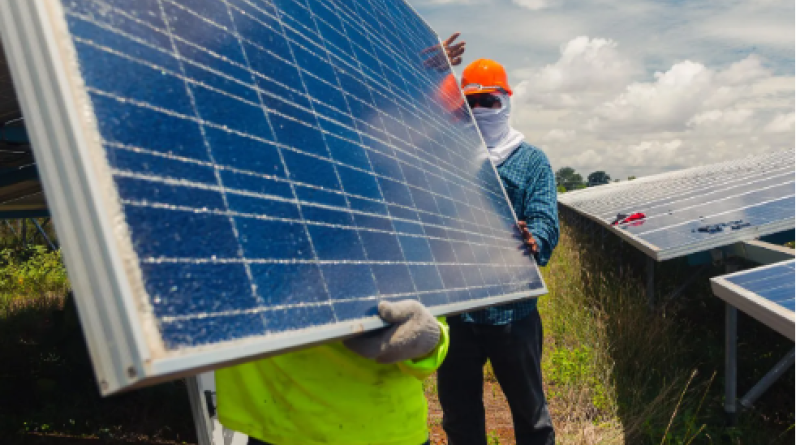
At the EoL, modules and batteries must be safely removed, assessed, and then reused, refurbished or recycled.
This stage, if poorly managed, risks leaching toxic substances into the environment, but when properly done, it supports extended producer responsibility (EPR) models and contributes to sustainability objectives embedded in ESG frameworks.
The goal is to retain as much material value as possible in the supply chain while reducing dependence on virgin resources…
Cover photo: By ESI Africa