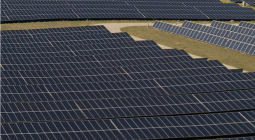


Ethiopia: ICRC delivered solar-powered water to 77,000 residents
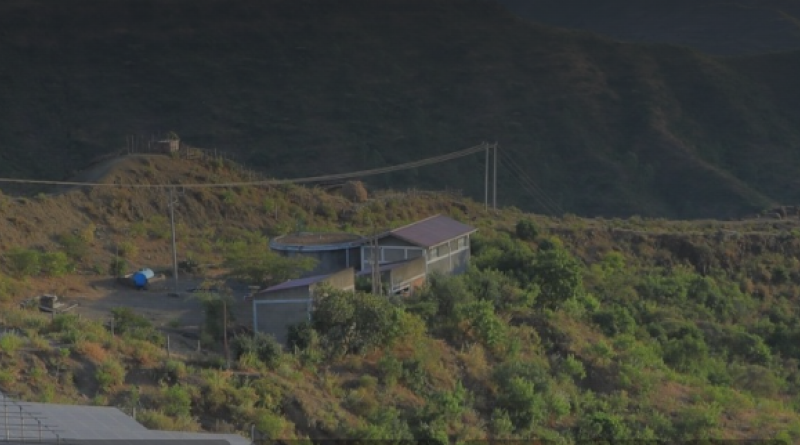
This project, which began over three years ago, addresses persistent water shortages caused by war and inconsistent power supplies
More than 77,000 residents in Lalibela, in the conflict-affected North Wollo Zone of the Amhara Region, Ethiopia, will now have reliable access to safe water.
This comes after the International Red Cross Committee (IRCR) and in collaboration with the German Federal Foreign Office.
According to the IRCR, people living in Lalibela town have been suffering from the effects of conflicts in the northern part of Ethiopia for the past four years. The town has faced frequent electricity shortages, which have disrupted the water supply.
”Because of the power outage, the town water utility has been struggling to pump sufficient quantities of water in Lalibela, with severe water shortages affecting the population.
”Sometimes they had to bear with electricity and water cuts lasting several months or more. The ICRC decided to intervene to solve these frequent power cuts through a solar-powered water supply project,” the International Committee said.
Outdated infrastructure rehabilitated with solar power
The ICRC said they also stepped in because Lalibela’s water supply system was outdated, with many key components such as pumps, pipes and electrical and electromechanical parts deteriorated or damaged.
“In addition to the power shortage, the system was operating at very low efficiency. The ICRC decided to rehabilitate the whole system and make it work thanks to solar power,” they said.
This project, which began over three years ago, addresses persistent water shortages caused by war and inconsistent power supplies.
The ICRC said the new system provides clean water to Lalibela residents while reducing operating expenses and environmental impact.
”We are glad that Lalibela’s residents can finally get reliable access to water, after prolonged, intense works together with the local and regional water authorities,: said Simone Casabianca-Aeschlimann, Head of the ICRC’s Delegation in Ethiopia.
“The security conditions have been challenging, and we needed to purchase materials from abroad, but the result is there: a robust water system, with lower operating costs and a reduced environmental footprint thanks to solar power,” she said.
About 15 water utility staff have received training on operating and maintaining the new system, which has now been handed over to local authorities.
The ICRC said it will continue to oversee the project for the next six months, providing technical support as needed.
Cover photo: ICRC