
Conlog: A transformative step for water security
There are several advantages of the transition from mechanical to ultrasonic meters for water security measures
In Southern Africa, the Botswana Water Utilities Corporation (WUC) embarked on an ambitious smart water metering project.
Phase one involved the procurement and installation of 60,000 smart ultrasonic water meters supported by a revenue management system and integrated with Advanced Metering Infrastructure (AMI).
The turnkey nature of the project encompassed supply, installation, AMI systems, revenue management systems and operational infrastructure.
From the project kickoff in July 2024 to system commissioning in March 2025, key milestones included procurement, AMI deployment, control centre establishment, meter and Data Concentrator Unit (DCU) installation, revenue management platform integration and technical training for local staff.
As Lone Mokgosi, managing director of AllGreen Holdings, observes: “This project is arguably one of the most transformative water projects in the region ever to disrupt the way that we interact with water, both as a commodity and a natural resource.”
Why tech choices matter
The ability of smart meters to provide actionable insights rests upon the robustness of their communication backbone. Desigan Govender, product portfolio manager at Conlog, explains that choosing the right communication technology is a common question, and since a whole host of technologies are available, which makes it difficult to determine the most suitable.
For the WUC project, Govender shares that the application’s realtime needs were the deciding factor when choosing what communication technology to use.
“WUC weren’t just looking for meter reading at the end of the month to generate a bill, they wanted real-time information to inform at any given time ‘what is the status’ of their network in order to effectively manage the water.”
This requirement narrowed the technological options, leading to the selection of Wireless M-Bus using the Open Metering Standard (OMS). Conlog’s product manager, Theuns Tait, notes the rationale: “While other technologies like Sigfox and LoRaWAN are used for general Internet of Things (IoT) applications, the OMS standard is specifically designed for utilities such as electricity, water, and gas.”
He adds that this choice allowed hourly data transmissions from the field to the Meter Data Management System (MDMS), ensuring timely leak detection, consumption monitoring, and operational oversight. ESI
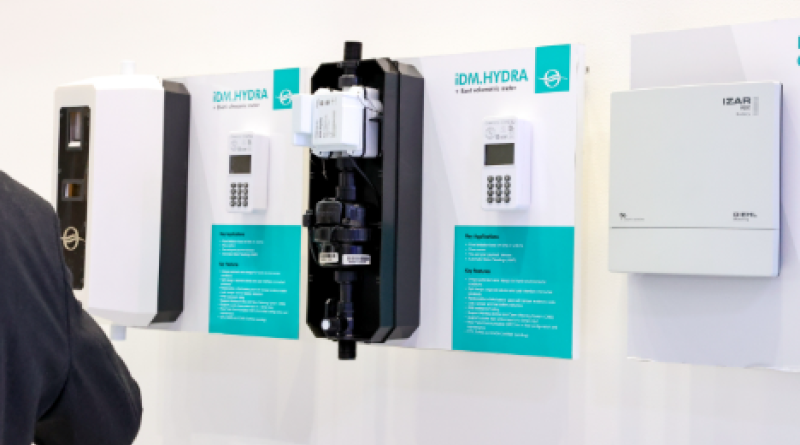
Cover photo: Conlog’s iDM. HYDRA smart water metering solution.