
Clean cooking and energy security toolkit
The G20 Leaders Summit being held in Africa for the first time shifted the focus to recognising that no one nation can go it alone
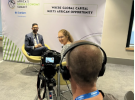
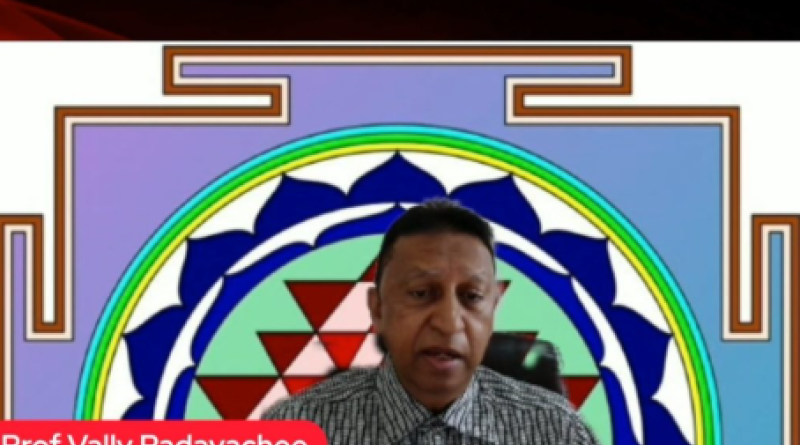
Energy expert Vally Padayachee talks about some of the outcomes of the G20 Leaders Summit, going into why the clean cooking and critical minerals programmes and initiatives were launched and discussion.
Specifically, he unpacks the possible effects of the G20 Clean Cooking Legacy Programme and G20 Critical Minerals Framework for Sub-Saharan Africa.
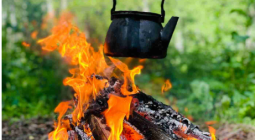
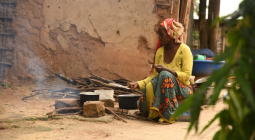
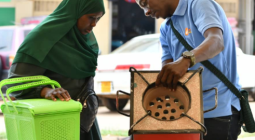
The Clean Cooking Alliance was present to explain the importance of clean cooking initiatives and their importance for health and socio-economic development alongside several international organisations and agencies.
Padayachee pointed out that the G20 leaders also “endorsed the G20 South Africa Presidency’s Voluntary Energy Security Toolkit – a comprehensive resource designed to aid countries in strengthening their energy systems in innovative technologies and regional collaborations – to triple global renewable energy capacity and double energy efficiency improvements by 2030.
“The Toolkit not only facilitates access to energy sources but also lays the groundwork for a more resilient energy infrastructure across development nations,” he says.
The Toolkit been developed to support countries in adopting integrated approaches to energy technologies and innovation, risk identification, regional interconnectivity, infrastructure resilience, energy efficiency, emergency preparedness and workforce development.
“The Laders Summit addressed a wide range of pivotal issues, emphasising the interconnectedness of global economies and the critical need for inclusive growth and sustainable development. The overarching theme of the summit was to promote solidarity, equality and sustainability. Which are key pillars which resonates with Africa’s development journey,” says Padayachee.
Cover photo: By ESI Africa