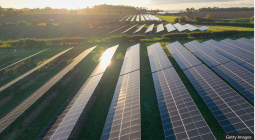


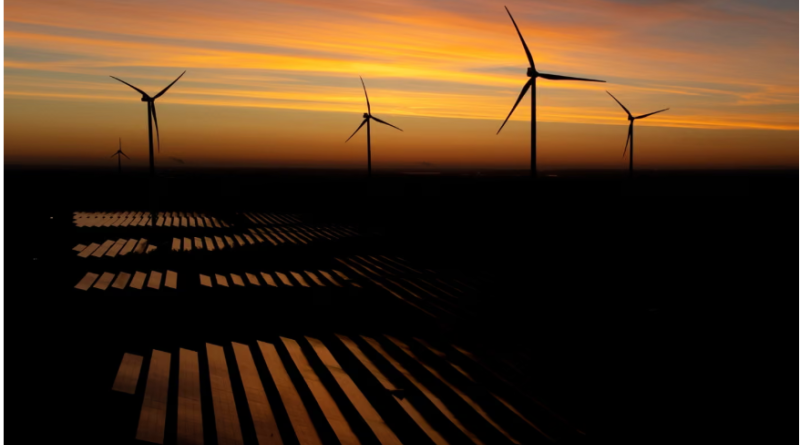
Analysts said the trend was driven by a boom in solar, which generated a record 13% of EU power. In five countries – including the Netherlands, which is not known for its sun – it provided more than 20%.
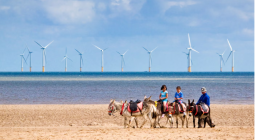
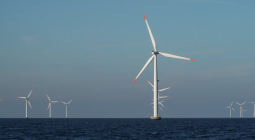
Wind turbines generated slightly less than the previous year, the report found, but remained the second-largest source of electricity, responsible for 17% of EU power.
The role of fossil gas increased by 8% – largely because of a weather-related drop in hydropower output – but remained well below its most recent 2019 peak, the report found. Coal-burning fell to a new historic low, accounting for less than 10% of EU power, most of it in Germany and Poland.
Solar and wind were “becoming the backbone” of Europe’s power system, said Petras Katinas, an analyst at the Centre for Research on Energy and Clean Air, who was not involved in the report.
“Solar alone grew by more than 20% in a single year, proving that clean power can scale faster than any conventional technology,” he said. “The challenge now is not generation, but how quickly Europe can deploy grids, batteries, and flexibility.”
Climate scientists and energy modellers have stressed that most of the electricity needed to power a carbon-free economy will come from rays of sunlight shining on panels and gusts of wind spinning turbines.
But European countries have been slow to modernise electricity grids to incorporate large volumes of renewable energy, which varies during the day and is delivered by a distributed network of machines.
However, the report found early signs that evening peaks in electricity demand – which typically require burning gas at great cost to bill payers – are starting to be met by batteries.
The analysts suggest that Italy, which hosts one-fifth of the EU’s operating battery capacity and has a large pipeline of planned projects, may be about to follow the same trajectory as California, where batteries routinely cover 20% of evening demand peaks and are crowding out gas.
Petrovich said this could smooth price spikes. “If I were a policymaker or investor, I would seriously start questioning if plans for new gas plants are inflated – and act to avoid a burden for taxpayers and risk of stranded assets.”