

What does it take to deliver climate-smart cities in Africa?
Energy efficiency is primary entry point for smart city initiatives: reducing consumption, lowering operational costs and cutting emissions
On the sidelines of Africa Green Economy Summit 2026, Lusanda Madikizela from C40 Cities Climate Leadership Group spoke with ESI Africa Editor-in Chief Nicolette Pombo-van Zyl about what it takes to develop and deliver climate-smart cities in Africa.
Discussing the makeup of a climate-smart city, Madikizela explained that “it’s a city that work for the residents who live in that city…
“As in people who live in that city have got reasonable ways to move around, get to places of economic opportunity, get to places for social gatherings and events. And, when they open a tap, water runs; switch on the lights, electricity works for the main part. Before we talk about any other thing, these are the basics that we always need to think about when we’re thinking about a smart city.”
She thinks there are many cities across the world that have started from a position of unsustainable growth but have started working with C40 Cities to change their future plans.
“All the major cities across the world, even though they are these huge sprawling urban developments, they’re now looking at something we like to call the 15-minute city complex, where any resident has got all facilities they need within 15 minutes of where they live.”
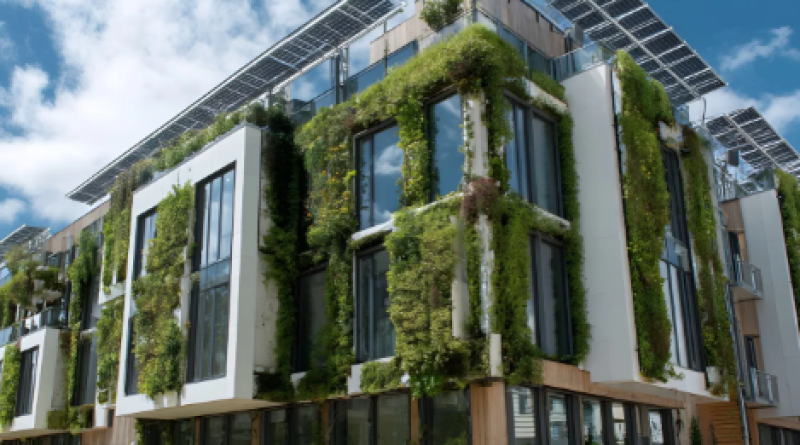
Cover photo: Energy efficient buildings form part of a climate-smart city. Source: dpsstudio©123rf