

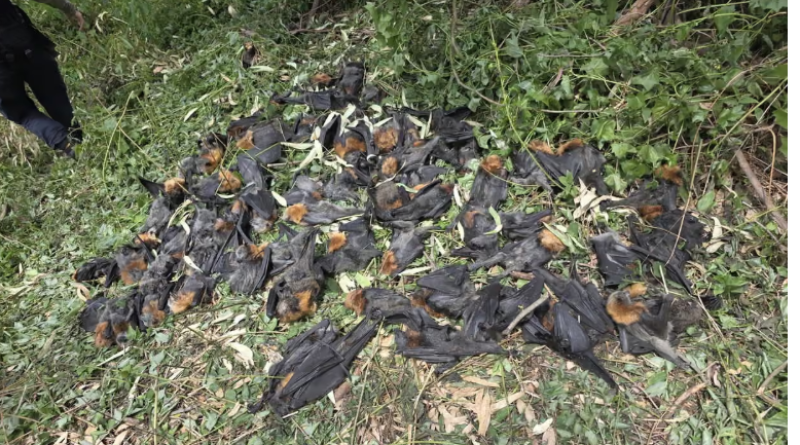
But above 42C, dehydration and heat stroke made it “physiologically very difficult for animals to survive”.
Members of the public were advised never to try rescue any sick, injured or orphaned bats themselves, instead to contact their nearest wildlife organisation.
The chief executive of Wildlife Victoria, Lisa Palma, said the organisation increased its emergency response capacity to deal with a spike in cases, deploying its travelling veterinary service to a nationally critical flying fox colony.
“Heat events like this can be catastrophic for native wildlife. Unlike us, our native animals can’t escape the heat and are highly vulnerable to dehydration, disorientation, burns and even blindness.”
Welbergen said flying foxes weren’t the only wildlife affected by extreme heat, but their deaths were often more visible with the animals roosting in trees in large numbers, often in urban centres.
Flying foxes were like “canaries in the coal mine”, he said, providing an indication of what was happening to other animals as global heating increased the frequency and intensity of hot days and heatwaves.
The work of rescuing and caring for wildlife affected by extreme weather weighed heavily on volunteers and an under-resourced veterinary sector, with no national wildlife rescue strategy. “We’ve been hit with a terrible season for orphaned pups. We were already at breaking point and dreading what the hot weather would bring - now our worst fears have been realised.” Hogarth said.