

'In every continent where humans are present, water bankruptcy is manifesting itself': Exiled Iranian scientist Kaveh Madani on our desperate need to preserve our most precious resource
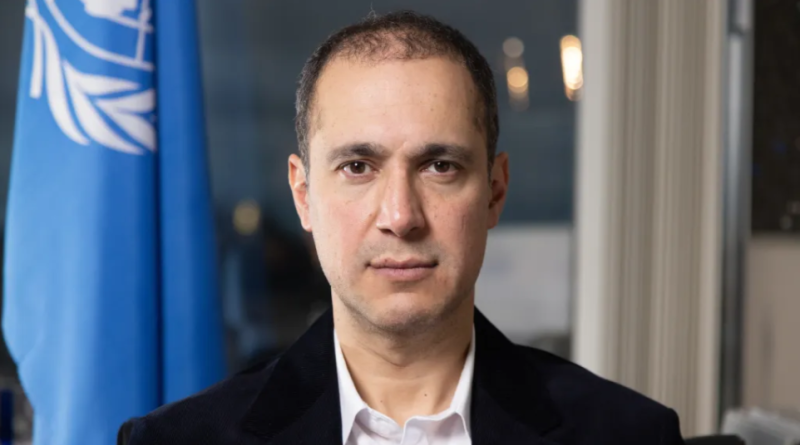
Live Science spoke with Kaveh Madani, director of the UN University Institute for Water, Environment and Health and recipient of the 2026 Stockholm Water Prize, about "water bankruptcy" and what countries should do to avoid catastrophe.
Humans are depleting Earth's fresh water at a dizzying rate by pumping groundwater and sucking rivers dry. Continents are losing enough water each year to meet the needs of 280 million people. And in January, a report from the United Nations warned that the world is entering an era of "global water bankruptcy," meaning we have irreversibly damaged entire freshwater systems.
Kaveh Madani is the author of this report and the director of the United Nations University Institute for Water, Environment and Health. On March 18, he received the 2026 Stockholm Water Prize, which is often described as the "Nobel Prize of Water," for outstanding contributions to the sustainable use and protection of water resources.
In 2017, at the invitation of Iran's government, Madani became deputy vice president of Iran and deputy head of Iran's Department of Environment. But his tenure was brief because the reforms he proposed clashed with entrenched interests. State-aligned media labeled Madani a "water terrorist," and he was arrested and interrogated several times, culminating in his forced exile.
It is a sector that has a high return on investment, so you can argue that societies can shift water from some other sectors where the return on water use is nowhere [as high] to help this sector grow. But that only makes sense if the benefit generated is distributed and those who lose access to water resources can benefit from the growth of AI and data centers. If, for example, you have a basin where alfalfa is being grown with water, using water for AI and an expansion of data centers [instead] in that location might be a very reasonable move, provided that the alfalfa grower is a beneficiary of that growth and change.
We have to be careful. In some other places, further water investments in data centers might result in compromising food security and the growth of certain strategic foods, and that's something that we should avoid. We know that that sector is getting increased use, and we are already under pressure in many places. This doesn't mean that we should say no to technology; it only means that we have to proactively curb, essentially control and mitigate the impacts, and ensure that introducing new uses would not hurt the system further and result in more irreversible damage.
Cover photo: Kaveh Madani is the recipient of the 2026 Stockholm Water Prize. (Image credit: CCNY)