

‘The EU has put more than €20bn towards green hydrogen, but it is way behind its targets’: ACER
A report by the EU agency warns that renewable H2 is still too expensive for industries to adopt without clear demand drivers in place
The EU has allocated more than €20bn ($23.2bn) in subsidies for green hydrogen as part of its push to decarbonise industries and incentivise the use of the zero-carbon gas, according to a report by the European Union Agency for the Cooperation of Energy Regulators (ACER).
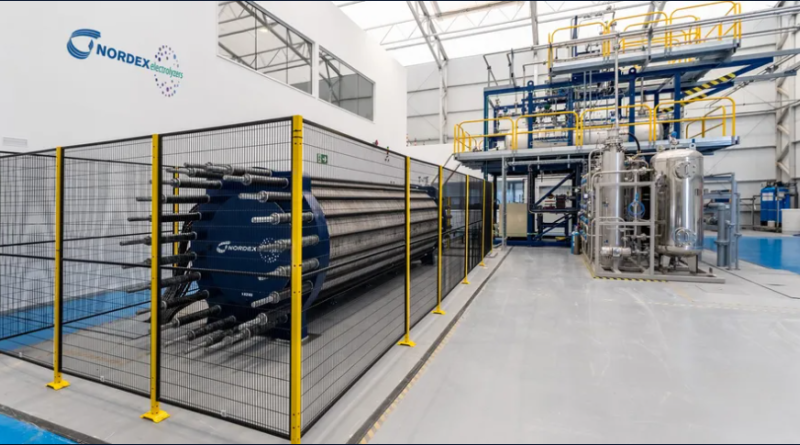
But despite seeing a 51% increase in installed electrolyser capacity between 2023 and 2024, the bloc is falling far behind its targets.
ACER notes that just 308MW of electrolyser capacity had been built by the end of 2024, with another 1.8GW under construction — compared to an EU target of 6GW by then, leaving a 40GW-by-2030 target even further out of reach.
Meanwhile, the report cites data from Hydrogen Europe which suggests that only around a fifth of the projects that had been allocated funding via the Important Projects of Common European Interest (IPCEI) have reached a final investment decision, and 31% have yet to sign binding grant agreements with their host member states.
“Meanwhile, slower deployment of electrolysers limits economies of scale, delaying the anticipated reductions in related capital costs. The recent deceleration or even reversal of the decline in renewable electricity costs further undermines these cost-reduction prospects.”
ACER notes that as of October 2025, only two member states — Denmark and Ireland — have completed their transposition of the updated Renewable Energy Directive (RED III), which sets a mandate of 42% of industrial hydrogen and 1% of transport fuels to be RFNBOs by 2030.
As such, the agency urges the remaining member states to transpose the directive into their laws as soon as possible.
“Moreover, the long-term gas offtake contracts required for such projects could lock-in fossil fuel dependence and exposure to price volatility in the global natural gas market,” the report continues.
“A robust assessment of these uncertainties is essential to determine the most appropriate hydrogen production pathways.
Cover photo: European Commission president Ursula von der LeyenPhoto: Dati Bendo/European Commission