

Sri Lanka issues fresh landslide warnings as Cyclone Ditwah death toll crosses 600
Ongoing monsoon rains are hitting areas already devastated by cyclone and further destabilising hillsides
Sri Lanka issued fresh landslide warnings as the death toll from the devastation caused by Cyclone Ditwah climbed past 600.
Ditwah, one of a series of storms that killed more than 1,800 people across Asia in recent weeks, struck the island nation earlier this month.
The Sri Lankan Disaster Management Centre said ongoing monsoon rains were hitting areas already devastated by the cyclone, further destabilising hillsides in the central highlands and northwestern midlands. Many communities that had only just started clearing debris were now bracing for renewed threats of slope failure and mudslides.
The National Building Research Organisation expanded its warning late on Sunday to cover Kandy, Nuwara Eliya, Badulla, Matale, Kegalle, Kurunegala and Ratnapura after repeated soil movement was detected on hillside settlements. It also raised the alerts for several places to level 3, signalling an imminent risk of slope failure.
The meteorology department forecast 150-200mm of rainfall in the highlands as well as strong wind gusts along the eastern slopes.
The death toll from floods and landslides jumped to 627, with hundreds still missing. Authorities said more than two million people, around 10 per cent of the population, had been affected by the cyclone, with tens of thousands still displaced.
Although floodwaters had begun receding in some parts of the island, the disaster management agency warned that saturated soil and continued rainfall indicated a “very high” landslide risk in several districts.
Helicopters and military aircraft were delivering supplies to towns and estates cut off by landslides. Telecommunications were down across pockets of the highlands, complicating rescue work.
The AFP news agency reported the number of people in shelters had fallen to around 90,000, down from a peak of 225,000.
The government announced a compensation package on Friday to rebuild homes and businesses wiped out by the storm.
Officials estimate that recovery and reconstruction work may cost up to $7bn, a severe burden for a country still emerging from a debilitating economic crisis in 2022.
The government has asked the International Monetary Fund, which has been helping fund the recovery from the 2022 crisis, for an additional $200m to support relief and reconstruction efforts.
President Anura Kumara Dissanayake declared the disaster a “national priority”, stressing that weakened infrastructure and overstretched public services were struggling from the scale of devastation.
The death toll is expected to jump further as search teams reach isolated areas. Several estates and mountain settlements are reeling from multiple landslides, and officials say they are still unable to fully assess cut-off regions.
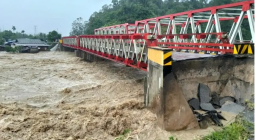
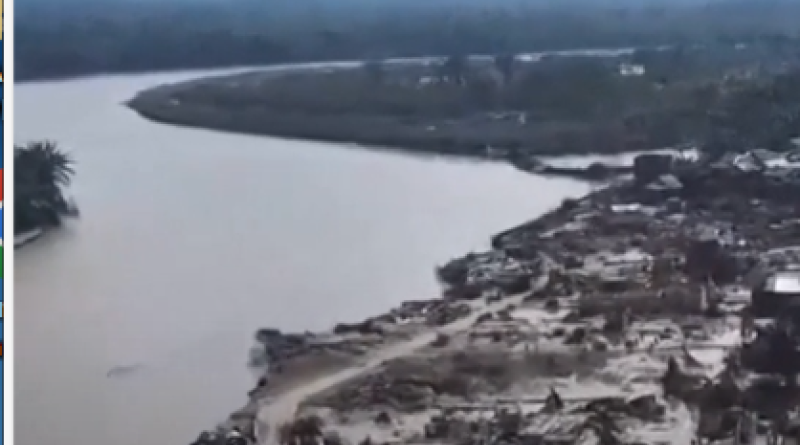
In Southeast Asia, Indonesia remains the worst-hit by floods and landslides caused by storms, with washed-out roads and collapsed bridges hampering rescue operations in North Sumatra, West Sumatra and Aceh.
Thailand has moved into recovery. Government spokesperson Rachada Dhnadirek said water and electricity has been restored in almost all affected areas and nearly 120,000 households have received compensation. Heavy rains earlier in the week sparked widespread flooding across 12 southern provinces, leaving more than 180 people dead.
Cover photo: Aerial footage shows Indonesian flood devastation