

”Simple Innovation, Big Impact: Kenya’s Clay Refrigerators Keep Food Fresh Without Power”
Introduction
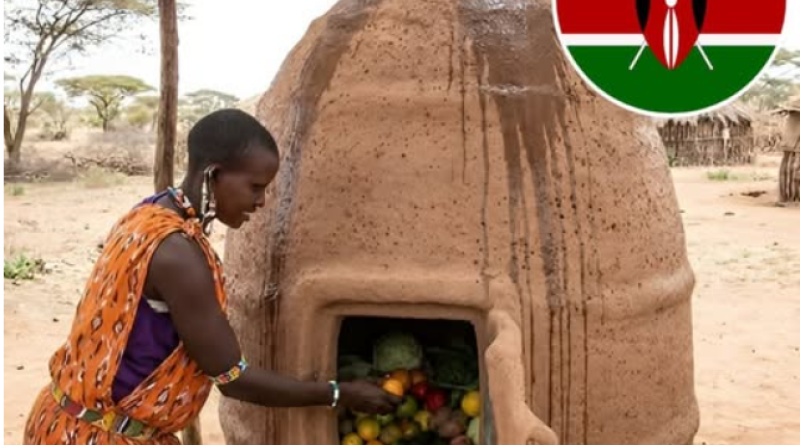
In rural Kenya, where electricity access is scarce and the heat can be oppressive, an ingenious, sustainable, and energy-efficient solution is transforming food preservation practices. Kenyan communities are increasingly turning to clay refrigerators designed to function without electricity, inspired by traditional beehive shapes. These remarkable structures, crafted from porous terracotta, use the natural process of evaporative cooling to keep food fresh for several days. This innovative approach is not only eco-friendly but also affordable, empowering rural communities to preserve their harvest and reduce food waste. This article delves into the workings of these clay refrigerators, their cultural significance, and their broader impact on Kenya and beyond.
1. The Challenge of Food Preservation in Rural Kenya
Limited Electricity Access
Kenya’s rural areas face significant challenges due to limited access to reliable electricity. With approximately 75% of rural communities lacking consistent access to the electrical grid, traditional refrigeration systems that rely on electricity are neither practical nor affordable for many. As a result, households and farmers must look for alternative solutions to preserve food, which often results in substantial food waste.
The Intense Heat and Climate Issues
Kenya’s hot and arid climate contributes to rapid spoilage of perishable foods such as fruits, vegetables, and dairy products. Without proper refrigeration, food can go bad in just a few days, particularly in areas that experience high temperatures, which can reach 35°C (95°F) or higher. The lack of refrigeration exacerbates food insecurity in these regions, where people rely on farming for sustenance and income.
The Need for Sustainable Food Preservation
Without refrigeration, many rural households turn to traditional preservation methods such as drying, fermenting, or salting. While these techniques are effective to some extent, they do not provide the same level of freshness as refrigeration, particularly for perishable items. The need for an affordable and sustainable way to keep food fresh for longer is critical for both nutrition and economic stability in these communities.
2. The Design and Functionality of Clay Refrigerators
The Unique Shape and Material
The clay refrigerator is designed in the shape of a traditional beehive, a form that promotes excellent airflow and evaporation. These refrigerators are handcrafted from porous terracotta, a material that has been used for centuries for its insulating properties. The porous nature of the clay allows water to be absorbed and then evaporate, pulling heat away from the inside and cooling the interior of the fridge. This simple yet effective design has been proven to lower the internal temperature by up to 15°C (27°F), which is crucial for preserving the freshness of food.
How Evaporative Cooling Works
Evaporative cooling is a natural process where water evaporates from the surface of a material, absorbing heat in the process. When the clay walls of the refrigerator are moistened, the water on the surface evaporates, pulling the heat away from the interior. The porous terracotta material allows this process to occur efficiently, ensuring that food stays cooler for a longer period of time. This method of cooling does not rely on electricity or complex machinery, making it an ideal solution for areas with unreliable power supply.
Simplicity in Construction and Affordability
The construction of these clay refrigerators is straightforward and cost-effective. Local artisans craft the refrigerators from readily available materials like clay, sand, and water. The simplicity of the design means that the refrigerators can be built and repaired locally, reducing the reliance on outside technology or expertise. This makes the refrigerators affordable, especially for low-income communities that struggle to afford traditional refrigeration solutions.
3. Benefits of the Clay Refrigerator
Energy-Efficiency
One of the most significant advantages of the clay refrigerator is its energy efficiency. Traditional refrigerators consume large amounts of electricity, a resource that is often not readily available in rural Kenya. By using evaporative cooling instead of electricity, these clay refrigerators are not only cost-effective but also environmentally friendly. They offer a solution that is both sustainable and accessible to people who would otherwise be unable to afford or access electricity.
Extended Shelf Life of Food
The cooling effect of the clay refrigerator can extend the shelf life of perishable food items such as fruits, vegetables, and even cooked meals. By lowering the internal temperature, the refrigerator slows down the process of spoilage, giving households more time to consume or sell their food before it goes bad. This is particularly valuable in rural areas, where access to markets can be limited, and the risk of spoilage is high.
Sustainability and Reduced Waste
Food waste is a significant issue in many parts of the world, and rural Kenya is no exception. The inability to store food properly results in millions of dollars worth of waste each year. With the introduction of the clay refrigerator, communities can reduce waste by preserving food longer, improving food security and contributing to a more sustainable food system. Additionally, the use of natural materials like clay ensures that the refrigerators have a minimal environmental footprint.
Cultural Relevance
The design of the clay refrigerator is deeply rooted in local culture, drawing inspiration from traditional beehive shapes. This cultural connection helps foster acceptance and familiarity with the technology, ensuring that it is easily embraced by local communities. By incorporating traditional knowledge and modern science, the clay refrigerators provide a harmonious blend of old and new that resonates with people’s heritage.
4. The Impact on Kenyan Communities
Empowering Farmers
For farmers in rural Kenya, the ability to store food for longer periods can be life-changing. With a clay refrigerator, farmers can keep their harvest fresh for days, reducing spoilage and allowing them to sell their produce at optimal prices. This also enables farmers to stockpile food during harvest time and sell it gradually, improving their financial stability.
Improved Nutrition and Health
With better food preservation, families are able to maintain a more balanced and nutritious diet. Fresh fruits, vegetables, and dairy products, which might otherwise spoil quickly, can now be kept for longer, allowing families to enjoy healthier meals. This improvement in nutrition is especially crucial in rural areas where access to fresh produce can be limited, and diets often rely on processed or less nutritious foods.
Economic Opportunities
The creation and sale of clay refrigerators have provided new economic opportunities for local artisans, many of whom are skilled in traditional crafts. These refrigerators can be sold to other farmers and households, creating a small but growing industry in rural areas. By producing their own cooling devices, rural communities are not only saving money but also creating a sustainable business model that empowers local economies.
5. Challenges and Limitations
Climate Sensitivity
The efficiency of the clay refrigerator is affected by humidity levels. In areas with high humidity, the evaporation process is slower, which may reduce the cooling effect. This makes the refrigerators more suitable for dry regions where the cooling process can work at its full potential.
Durability Concerns
Over time, the terracotta material may degrade, especially when exposed to extreme weather conditions such as heavy rainfall or high winds. While the refrigerators are repairable, this issue can limit their lifespan in certain environments. Continued research into making the refrigerators more durable and resistant to the elements is needed to improve their long-term viability.
Widespread Adoption and Awareness
Although the clay refrigerator is an innovative solution, it is not yet widespread in all areas of Kenya. Raising awareness about this technology and educating rural communities about its benefits is crucial for ensuring its widespread adoption. Additionally, local governments and NGOs can play a role in promoting the use of these refrigerators by subsidizing costs and providing education.
6. Future Prospects and Global Implications
Expanding the Model
The success of the clay refrigerator in Kenya has captured global attention, and there is potential for this model to be expanded to other regions of the world. Areas with limited electricity access, such as parts of India, sub-Saharan Africa, and the Middle East, could benefit from this low-tech, sustainable solution. With slight modifications, the design could be adapted to suit different climates and needs.
Innovation in Sustainable Living
The clay refrigerator is just one example of how low-tech, sustainable innovations can improve the lives of people in underserved communities. As interest in sustainable living grows, the clay refrigerator could serve as a model for other forms of eco-friendly technology. Continued innovation in food preservation could lead to even more efficient, affordable, and environmentally friendly solutions that have a global impact.
Conclusion
Kenya’s clay refrigerators are a prime example of how local innovation can solve global problems. By utilizing the natural process of evaporative cooling, these simple, affordable devices provide an eco-friendly and sustainable solution to food preservation in rural areas. As more communities adopt this technology, it has the potential to change the way we think about refrigeration—offering a path toward a more sustainable future where energy consumption is minimized, food waste is reduced, and local economies are empowered.
Cover photo: By IFEG