

GEOTHERMAL POTENTIAL IN CAMEROON: UNLOCKING THE HEAT BENEATH OUR FEET
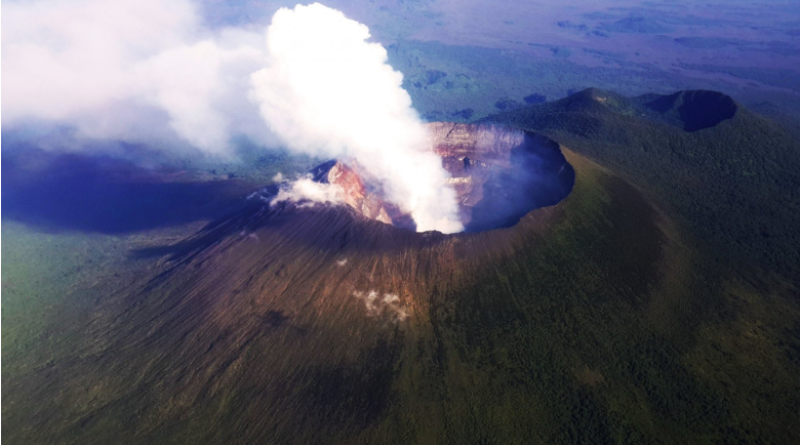
“Cameroon sits along a major volcanic alignment known as the Cameroon Volcanic Line, hosting numerous hot springs and volcanic massifs that signal significant untapped geothermal potential. Yet, despite growing energy demand and recurring electricity shortages, this resource remains largely unexplored and underdeveloped.”
When we talk about energy resources, we often focus on hydropower, oil, gas, or solar energy. However, beneath Cameroon’s surface lies another powerful and renewable source of energy: geothermal heat. Unlike fossil fuels, which are finite and carbon-intensive, geothermal energy is a continuous and low-emission resource derived from the Earth’s internal heat. This raises an important question: could geothermal energy become a strategic solution to Cameroon’s growing electricity demand and energy access challenges?
Cameroon’s geography provides strong indicators of geothermal potential. The country is located along the Cameroon Volcanic Line, a 1,600 km-long chain of volcanic mountains and highlands stretching from the Gulf of Guinea islands into mainland Central Africa. This tectonic and volcanic structure includes active and dormant volcanic centers such as Mount Cameroon, one of Africa’s most active volcanoes. The presence of numerous hot springs such as those in Wum, Manengouba, Ngaoundéré, and other highland regions indicates elevated geothermal gradients and subsurface heat reservoirs.
Geothermal energy originates from the natural heat stored within the Earth’s crust. This heat results from radioactive decay of minerals and residual heat from planetary formation. In volcanic regions like western and northern Cameroon, this heat is closer to the surface, making it more accessible. When groundwater circulates through deep fractures and comes into contact with hot rocks, it heats up and rises to the surface as hot springs or steam vents. These surface manifestations are key indicators of geothermal potential.
There are several methods of geothermal energy extraction, depending on the temperature and geological conditions of the resource.
The first and most conventional method is the dry steam system. In areas where natural steam reservoirs exist underground, wells are drilled directly into the steam zone. The steam is piped to turbines, which spin generators to produce electricity. This method requires high-temperature reservoirs, typically above 150°C, and is most suitable in volcanic environments. If sufficiently high temperatures are confirmed in regions like Mount Cameroon or the Manengouba highlands, dry steam systems could be viable.
The second method is the flash steam system. This is the most common type of geothermal power plant worldwide. High-pressure hot water (above 180°C) is brought to the surface through deep wells. When the pressure drops, part of the water “flashes” into steam, which drives a turbine. The remaining water is reinjected underground to sustain the reservoir. This closed-loop approach minimizes environmental contamination and helps maintain long-term productivity.
The third method is the binary cycle system. This is particularly important for Cameroon because it works with moderate-temperature resources (100-180°C), which are more common than extremely high-temperature reservoirs. In binary plants, geothermal water heats a secondary fluid with a lower boiling point (such as isobutane). The secondary fluid vaporizes and spins the turbine in a closed circuit. Because the geothermal fluid never directly contacts the turbine and is fully reinjected, emissions are extremely low. Binary systems are well-suited for small to medium-scale power generation and decentralized rural electrification.
A fourth emerging technology is Enhanced Geothermal Systems (EGS). In areas where hot rock exists but natural water circulation is limited, engineers can inject water into artificially created fractures. The heated water is then recovered to produce electricity. While EGS requires advanced drilling and reservoir stimulation techniques, it expands geothermal development beyond naturally permeable systems. With proper feasibility studies, EGS could be a long-term opportunity in Cameroon’s volcanic zones.
Beyond electricity generation, geothermal energy has multiple direct-use applications that are particularly relevant for Cameroon’s socio-economic development.
One major application is agricultural processing. Geothermal heat can be used for drying crops such as cocoa, coffee, maize, and cassava. Controlled geothermal drying reduces post-harvest losses, improves product quality, and increases export value.
Another important application is greenhouse heating. In highland regions where temperatures fluctuate, geothermal heat can maintain stable greenhouse conditions for vegetable production. This supports food security and year-round farming.
Geothermal resources can also support fish farming (aquaculture) by maintaining optimal water temperatures, improving productivity. In addition, geothermal heat can be used in agro-industrial processing, milk pasteurization, fruit dehydration, and small-scale food industries.
At the community level, geothermal heat pumps offer a low-temperature solution for heating and cooling buildings. Although Cameroon has a predominantly warm climate, highland regions experience cooler temperatures, where such systems could reduce electricity consumption for heating.
From an environmental perspective, geothermal energy presents significant advantages. Unlike fossil fuel plants, geothermal power emits very low greenhouse gases. When managed properly with reinjection systems, land use impact is limited and water contamination risks are minimized. However, environmental assessments must address potential risks such as induced seismicity, land subsidence, and gas emissions (such as hydrogen sulfide) to ensure sustainable operation.
Despite its promise, geothermal development in Cameroon faces challenges. Exploration is expensive and requires detailed geophysical, geochemical, and geological surveys. Deep drilling, often between 2,000 and 3,000 meters is capital-intensive and risky because resource confirmation is uncertain until drilling occurs. Institutional capacity, technical expertise, and investment frameworks must also be strengthened to attract private and international partners.
Geothermal energy is virtually available everywhere beyond a certain depth due to the Earth’s natural geothermal gradient of about 25-30°C per kilometer. At depths of roughly 3-5 km, temperatures commonly reach 120-200°C, sufficient for electricity generation using binary or flash systems. At 5-10 km, temperatures may exceed 250°C in many regions. Thus, geothermal availability is generally a matter of drilling cost and economic feasibility, not resource existence.
Yet the opportunity remains significant. Cameroon already relies heavily on hydropower, which is vulnerable to drought and climate variability. Integrating geothermal energy into the national energy mix would enhance energy security, reduce dependence on seasonal rainfall, and support industrialization goals. Moreover, geothermal plants provide stable baseload power, unlike solar or wind, which are intermittent.
The time to invest in geothermal research and pilot projects is now. Beneath Cameroon’s soil lies a renewable resource capable of supporting economic growth, reducing emissions, and strengthening energy resilience for generations to come.
Cover photo: By Nchi Joseph Muhvu, Faculty of Engineering and Technology, University of Buea.